
The latest updates in Reichert v. Hornbeck and the efforts to reunite Grant with his father.
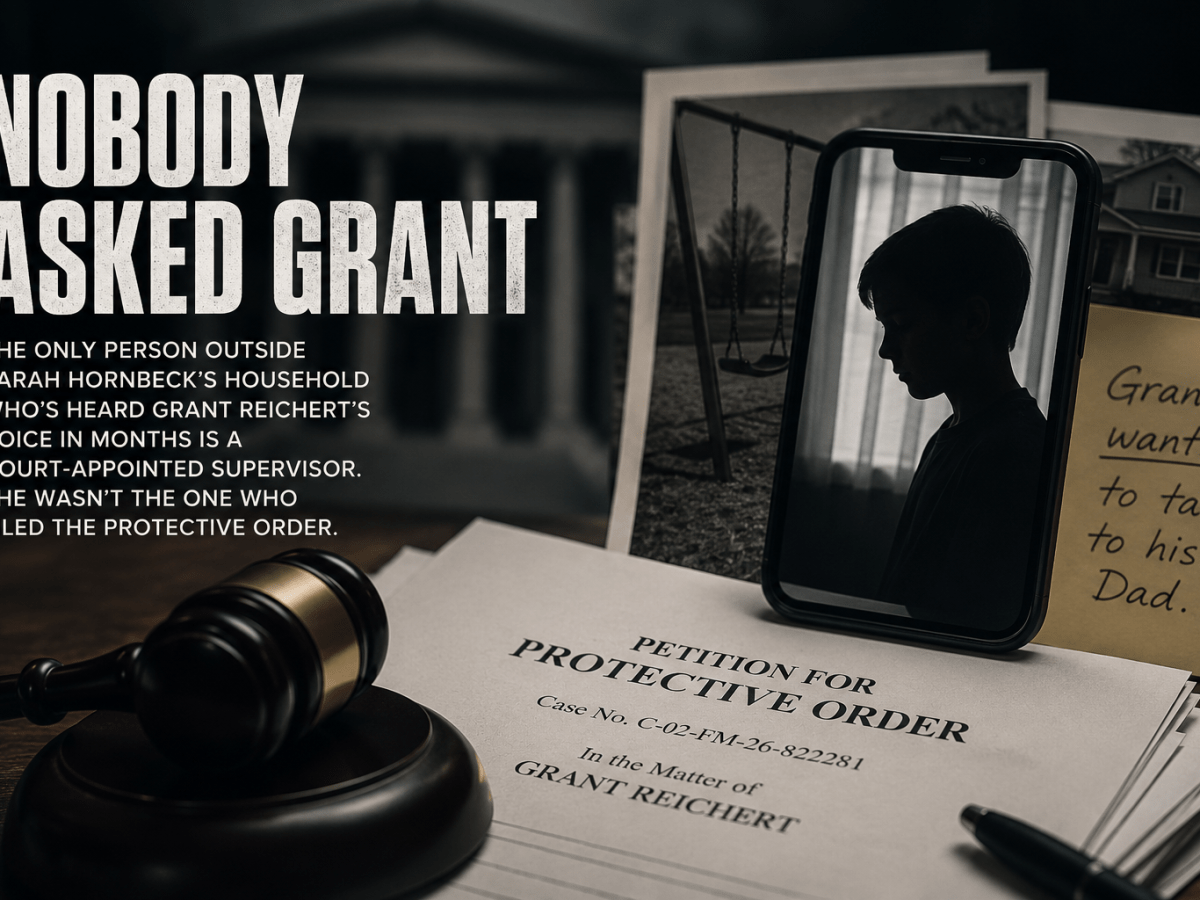
Nobody Asked Grant
Grant Reichert’s voice has only been heard by a court supervisor for months, amidst ongoing legal tensions with his mother, Sarah Hornbeck. A new protective order, filed without his consent or his father’s knowledge, raises concerns about communication suppression. Both the supervisor and Grant’s grandmother report evidence suggesting he desires contact with his father, intensifying…

Update: Public Records Detail 2018 DUI Arrest and Raise New Questions About Credibility
New reporting based on public records and sworn deposition testimony has added significant detail to the March 6, 2018 arrest of Sarah Hornbeck in Charles County, Maryland. Records obtained through Maryland Public Information Act (MPIA) requests—including CAD dispatch logs, police incident reports, and use-of-force documentation—show that the incident involved erratic driving, a crash, suspected drug-and-alcohol…
Sarah Hornbeck’s Deposition Disaster: Five Admissions That Expose a Reckless Witch Hunt Masquerading as Justice
In the custody dispute between Sarah Hornbeck and Jeffrey Reichert, Hornbeck’s deposition revealed severe flaws in her accusations. Her failure to verify the child’s safety and reliance on hearsay as evidence exposed her actions as reckless rather than protective. All charges against Reichert were dismissed, undermining Hornbeck’s credibility and intentions.
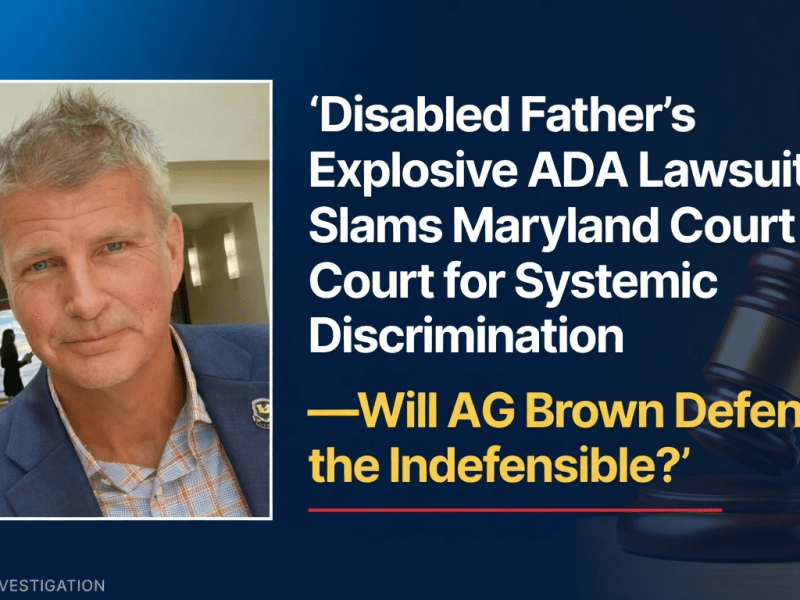
Disabled Father’s Explosive ADA Lawsuit Slams Maryland Court for Systemic Discrimination—Will AG Brown Defend the Indefensible?
Disabled veteran and attorney Jeff Reichert’s federal lawsuit against Maryland’s Anne Arundel County Circuit Court claims discrimination amid a custody battle. He alleges deliberate exclusion based on disability, violating ADA protections. The case highlights systemic issues in family courts, potentially challenging Attorney General Anthony Brown’s commitment to civil rights.

Public Records Requests Seek Answers in Reichert Case
A series of public records requests have been filed to investigate the criminal and family court proceedings involving Jeffrey Walter Reichert, who alleges malicious prosecution and constitutional violations in his custody dispute. The requests aim to uncover documentation on charging decisions, communications among officials, and policies governing such cases, providing transparency in ongoing federal litigation.

Hornbeck’s Panic Play: Motion to Dismiss Filed Days After Deposition Raised Questions About Basis for Criminal Charges
In the federal case Reichert v. Hornbeck, Sarah Hornbeck filed a Motion to Dismiss shortly after a deposition revealed significant uncertainties about the evidence she presented when filing criminal charges against Jeff Reichert. Critics label her move as a desperate tactic to evade accountability, amidst serious questions about allegations made during a long custody dispute.
“I Don’t Recall”: Inside the Deposition That Could Unravel a Maryland Attorney’s Protective-Order Case
A recent deposition in the federal case Reichert v. Hornbeck is raising serious questions about the credibility of key accusations that once led to dozens of criminal charges against a father locked in a custody dispute.
During questioning, Sarah Hornbeck repeatedly stated she did not recall critical events surrounding those allegations—events that ultimately led to…
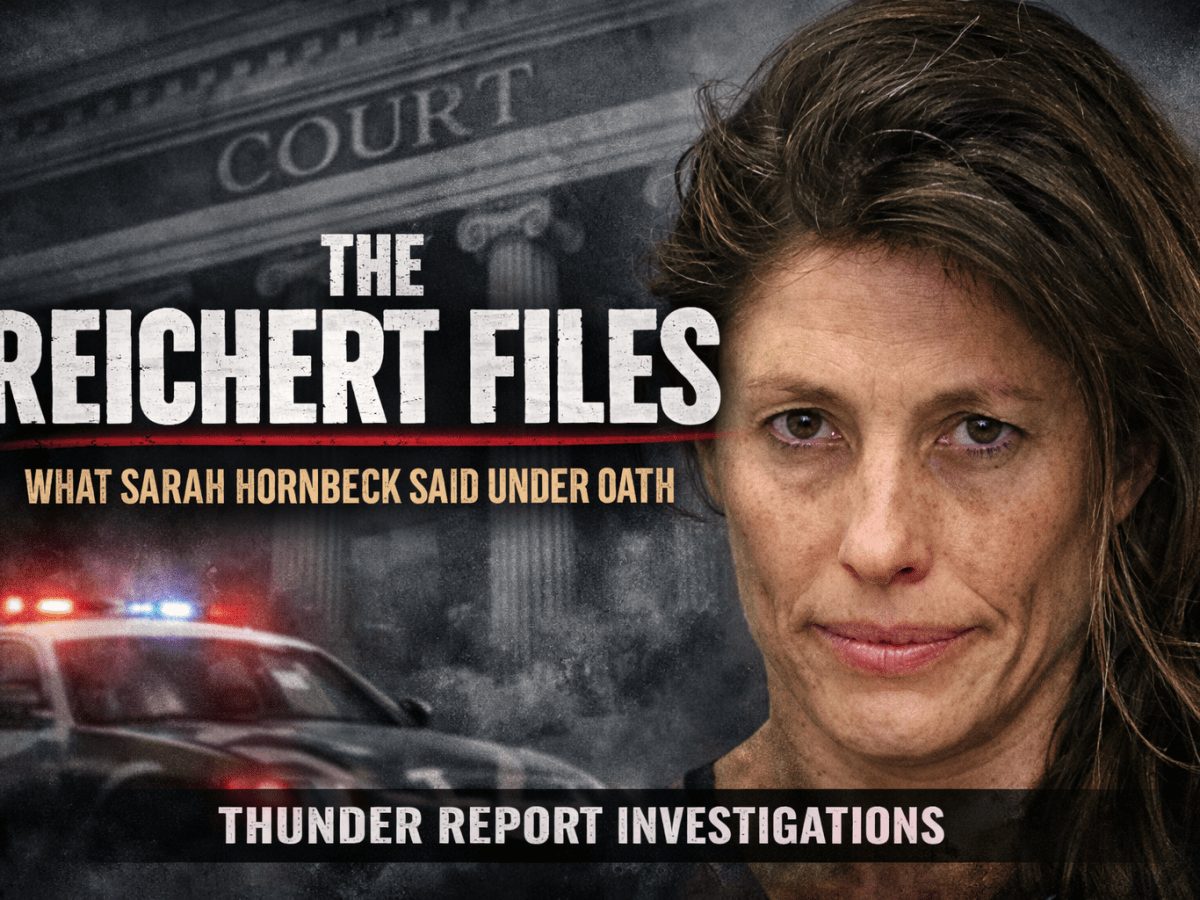
What Sarah Hornbeck Admitted Under Oath
A February 2026 deposition in the federal lawsuit between Jeff Reichert and Sarah Hornbeck revealed key details about their long-standing custody battle. Hornbeck disclosed a 2018 DUI arrest and faced scrutiny over discrepancies between her testimonies and court filings. Memory gaps arose throughout her sworn testimony, impacting future proceedings.
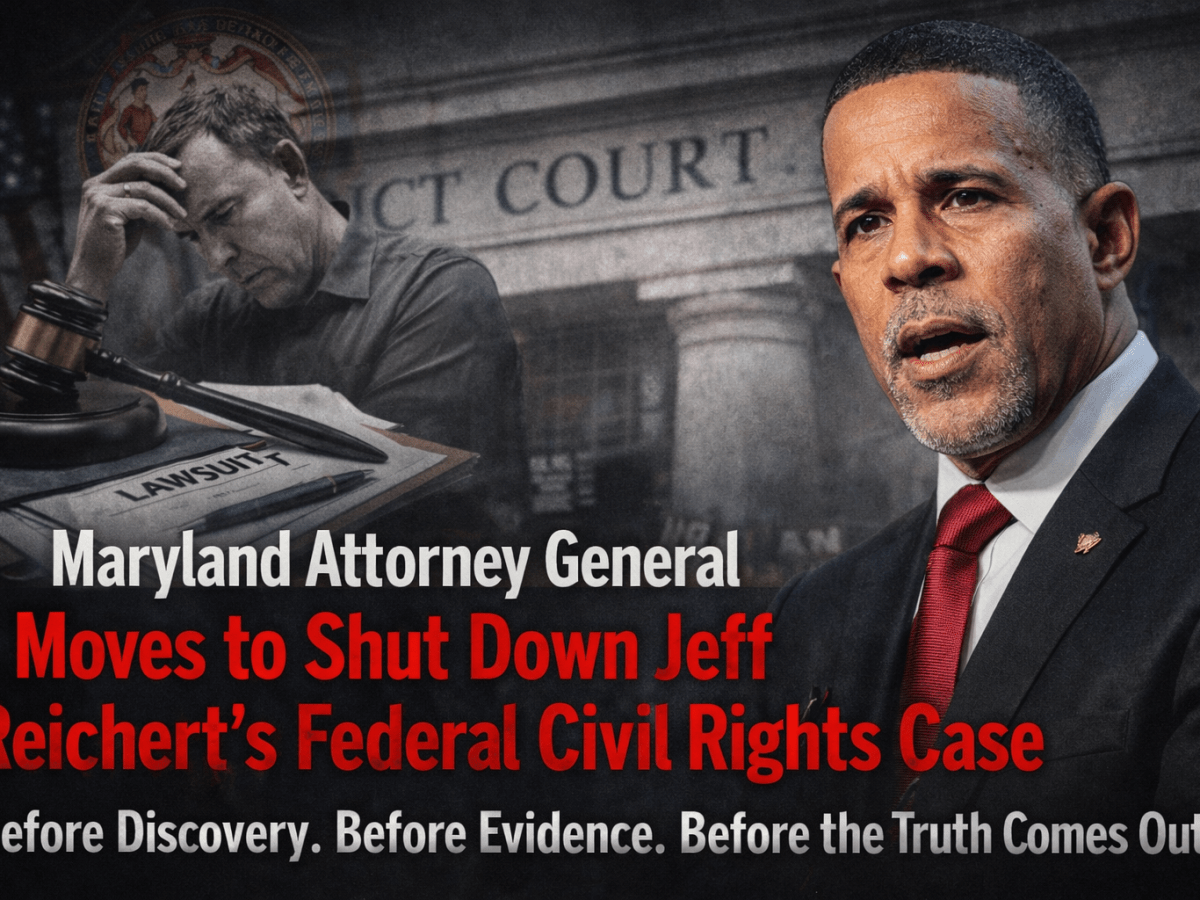
Maryland Attorney General Moves to Shut Down Jeff Reichert’s Federal Civil Rights Case
Jeff Reichert is battling a civil rights lawsuit against the Maryland Attorney General’s Office, which seeks to dismiss his case before discovery. His allegations involve repeated wrongful criminal charges and custody disputes impacting his relationship with his son. The outcome will test the limits of prosecutorial immunity and accountability in high-conflict family law cases.
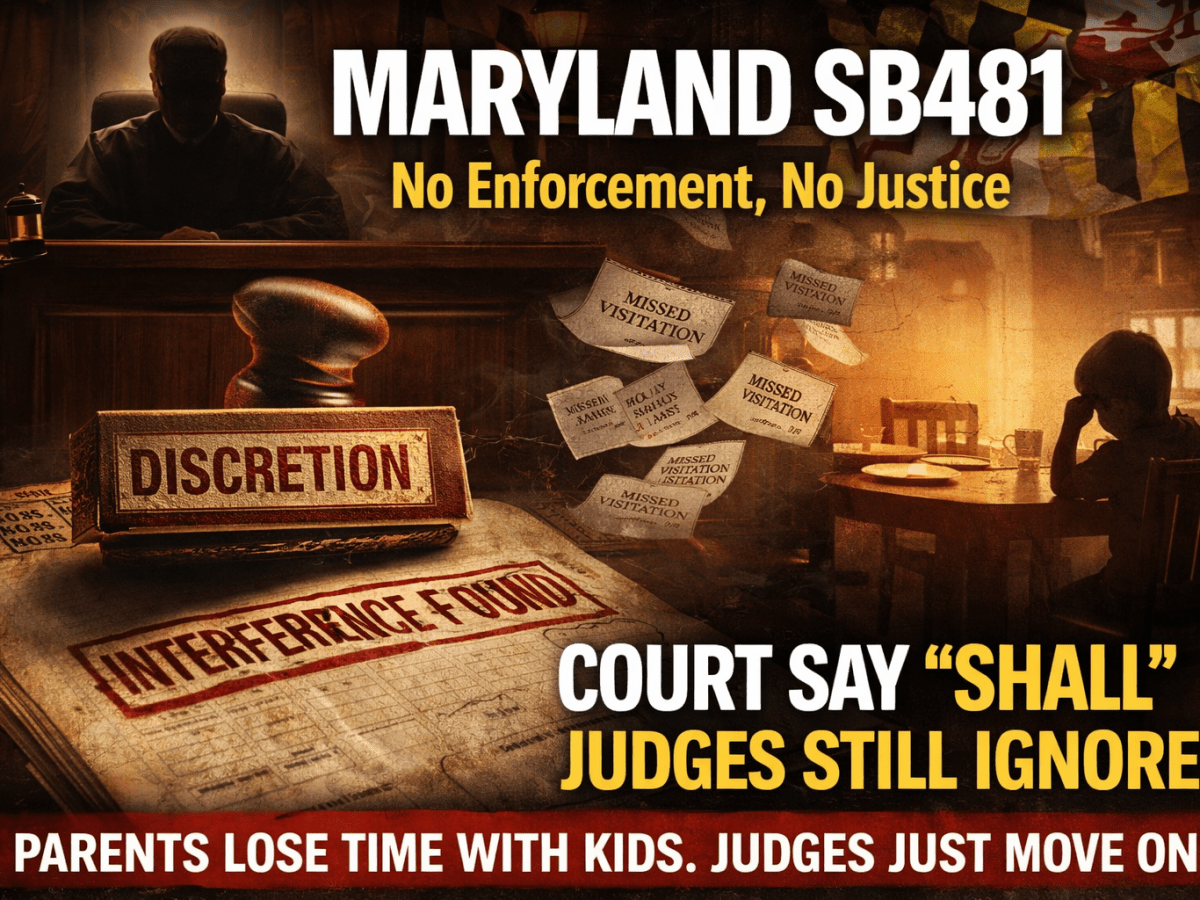
SB481 and the Enforcement Illusion: Why Stronger Language Would Not Have Helped Jeff Reichert
Maryland’s Senate Bill 481 aims to reform court-ordered visitation by mandating make-up time when interference occurs. However, Jeff Reichert’s case highlights a crucial enforcement issue: courts often fail to take action, rendering the bill ineffective. Without stronger accountability measures, statutory changes may not protect parental rights or foster parent-child relationships.
