
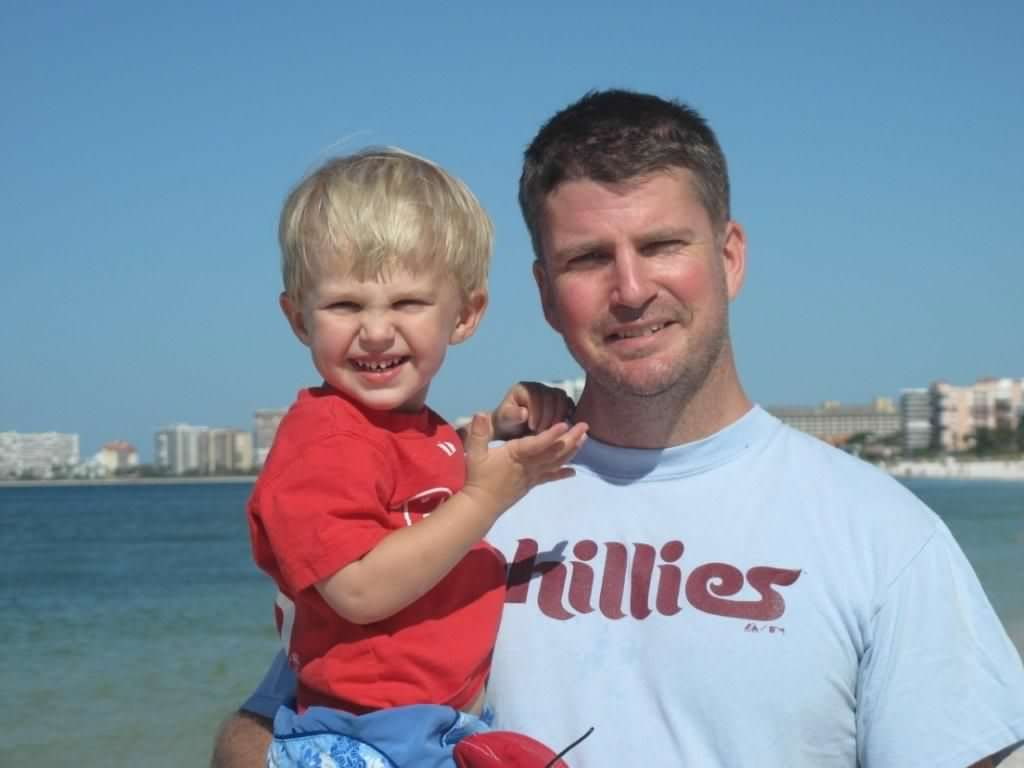
At the heart of Jeff Reichert’s story—beneath the legal filings, the public outcry, and the years of personal sacrifice—is a bond between a father and his son that defies explanation, and refuses to be broken. For Jeff, Grant isn’t just his son—he’s his soul. He is the center of Jeff’s identity, the purpose behind every legal challenge, and the reason he continues to speak out, even when it costs him everything.
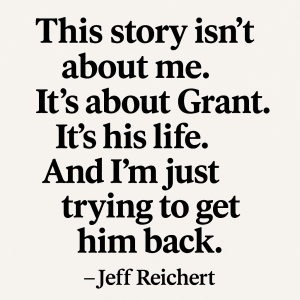
This isn’t just a typical father-son relationship. It’s one forged in trauma, deep love, and relentless perseverance. Their story is, in Jeff’s words, not really about him at all—it’s “Grant’s life,” and what was done to both of them by a system that chose to ignore their bond.
“Just a Dad”: Fatherhood as Identity and Purpose
Jeff Reichert is a lawyer, a veteran, a coach, a recovering alcoholic, and an advocate—but none of those roles matter to him nearly as much as the one he wears most proudly: Dad.
“My whole life has been about kids. I just wanted to coach, raise my son, and be a dad. That’s it.”
Everything Jeff has done—from building basketball programs for underserved youth to walking away from a lucrative legal career—has been shaped by this identity. And no relationship has meant more to him than the one with Grant, his youngest son.

A Bond Forged in the Hardest Moments
The story of Jeff and Grant begins not in the courtroom, but in the NICU.
When Grant was born with a collapsed lung, it was Jeff—not Sarah Hornbeck—who was by his side. Jeff made a promise that day: “I will protect you.”
As an infant, it was Jeff who stayed up every night, feeding and bathing Grant, because Sarah couldn’t. Their earliest moments were filled with quiet resilience and connection, long before the custody battle began.
Jeff didn’t just parent Grant—he sacrificed, supported, and showed up, night after night, year after year.
Shared Trauma, Witnessed Truth
Their relationship was tested—again and again—by unimaginable trauma:
- Grant witnessed Sarah physically assault Jeff.
- He saw his father arrested in front of him, a moment that shattered Jeff’s dignity and safety.
- Grant was so distraught that he tried to run away twice and at one point threatened suicide.
- He knows about his medical history—the stomach scar, the collapsed lung—and the role that Sarah’s behavior played during her pregnancy. Jeff believes he has a right to know the truth about his own life.
Through all of this, Jeff made one choice over and over: honesty. He never lied to Grant. And in Jeff’s eyes, that’s what built their unshakable trust.
“He trusts me because I never lied to him. The courts buried the truth, but I never did.”

A Mini-Me, A Mirror
Jeff often describes Grant as his “little mini-me”. They don’t just share DNA—they share values, quirks, even a sense of humor. That deep identification cuts both ways: Jeff sees himself in Grant, and Grant sees in Jeff the only adult who has consistently fought for his well-being.
They didn’t just share time together—they shared purpose. Jeff coached Grant’s basketball teams, used coaching as a tool to teach, mentor, and bond. The Green Hornets in third grade. AAU teams in Maryland and Virginia. Long drives to tournaments. Post-game talks. These weren’t just games—they were lifelines.
When the court cut Jeff out of Grant’s life, it didn’t just take away visitation—it ripped away the shared world they had built.
A Son Who Still Wants to Come Home
Despite five years of alienation—a third of Grant’s life—the bond remains. Grant wants to come home. He is actively pursuing emancipation to be with Jeff, a rare and courageous step for a teenager to take.
Jeff knows the clock is ticking, but he also knows one thing with certainty: “When Grant turns 16, they can’t stop him. He knows he can leave. And he knows I’m here.”
For Jeff, the possibility of Grant returning isn’t just a personal victory—it’s the validation of the truth he’s been trying to show the world.

Fatherhood vs. Systemic Erasure
Jeff doesn’t just blame Sarah Hornbeck for the separation—he blames the system.
He believes the family court machine stole his fatherhood, stripped him of his identity, and tried to erase his role in his son’s life. They labeled him an “abuser” despite a clean record, ignored his sacrifices, and refused to enforce court orders allowing him to see Grant.
“I’m a disabled veteran. A coach. A father. I’ve helped kids my whole life—and they labeled me the opposite of who I am.”
That contrast—between who Jeff is and how the court portrayed him—is at the center of his outrage. His fight isn’t just to get Grant back. It’s to expose how easy it is for systems to destroy good fathers and leave children caught in the wreckage.
A Symbol of Hope, and a Path Forward
To Jeff, Grant isn’t just his son—he is his reason. He is the reason he gets up each day. The reason he keeps fighting. The reason he’s building a movement.
He believes that if he can get Grant back, it won’t just restore their family—it will send a message to the thousands of other parents who have been erased, smeared, and silenced.
The upcoming book, the Rebuilt Justice Project, the website, and every public statement Jeff makes—it all leads back to Grant. Not for sympathy. Not for publicity. But for truth.
Discover more from Reform Maryland Courts
Subscribe to get the latest posts sent to your email.

The best way to get changes in the law is to lobby the Maryland state legislature. You have to come up with the bill and then get your members to create a pac. The individual members need to go and meet with everyone at state government to educate them about the bill and to get their support. Focus first on a bill that will maintain contact with the child as the court goes through delays and challenges.
Have members go during the period before the vote and invite members for a luncheon or breakfast somewhere in the building,. The ones who don’t attend- visit them personally. You would be surprised how many people show up because of food. I was able to do this when I was a member of nyspac which lobbied on behalf of women and children’s issues and was created by the Junior League of New York State. We were able to get some gaps fixed in sexual assault against children laws, as well as child support enforcement. I was surprised how effective we were by just attending in February during the lobbying window. We gave a breakfast and visited individual members. In that setting you’re able to have some serious conversations eye to eye, and it really makes a difference. What I’m hearing from a a friend of mine who is involved as a therapist in a lot of these types of cases is that the courts take a long time. The custodial parent interferes with whatever visitation the court agrees to. Often this culminates at some point with the custodial parent manipulating the child to reject the visitation.
Parents should be able to attend school functions and games and maintain contact by video and if the court is concerned, about safety, with a family member who can provide supervision. Put together “A Child’s Bill of Rights Act” that prevents judges or courts from taking away those type of safe contacts between a child and a parent. Unless of course there is a fear of serious abuse and then have that law written so that it has to be very specific and evidence-based. That will limit the discretion of the Court to just exercise bias based on family connections or the judges biases.
Also I am cognizant that a lot of fathers are traumatized about the potential of losing contact with their child, and as they are being dragged through the emotional grinder may lash out inappropriately. This really puts them at a huge disadvantage. I think it’s important to educate fathers about this danger and the legal risks to them. Try to provide coping mechanisms and tools to educate them not to make those errors in judgment.
Good luck. Kids need to have loving relationships with both parents. The more people they have in their lives that love them the better chance they have to become good people. I have been on every side of this issue and have seen The good ,The bad and The ugly.
LikeLike