
A place for letters of love and support from his father, Jeff, and family and friends, if Grant were able to find this site.
If you wish to submit a public letter to Grant, and in support of Jeff Reichert, you may submit it to Mike Phillips via email at MikeThunderPhillips@gmail.com.

Criminalizing Custody Interference Is Necessary — And Jeff Reichert’s Case Shows Why Maryland’s System Is Failing
Maryland’s House Bill 942 aims to criminalize the interference of custody orders, a necessary reform addressing systemic failures highlighted by Jeff Reichert’s lengthy struggle to enforce his parental rights. His case underscores the need for symmetrical accountability in custody disputes, emphasizing that without cultural and structural changes, the bill risks being ineffective.

Maryland Attorney General Moves to Shut Down Jeff Reichert’s Federal Civil Rights Case
Jeff Reichert is battling a civil rights lawsuit against the Maryland Attorney General’s Office, which seeks to dismiss his case before discovery. His allegations involve repeated wrongful criminal charges and custody disputes impacting his relationship with his son. The outcome will test the limits of prosecutorial immunity and accountability in high-conflict family law cases.

SB481 and the Enforcement Illusion: Why Stronger Language Would Not Have Helped Jeff Reichert
Maryland’s Senate Bill 481 aims to reform court-ordered visitation by mandating make-up time when interference occurs. However, Jeff Reichert’s case highlights a crucial enforcement issue: courts often fail to take action, rendering the bill ineffective. Without stronger accountability measures, statutory changes may not protect parental rights or foster parent-child relationships.
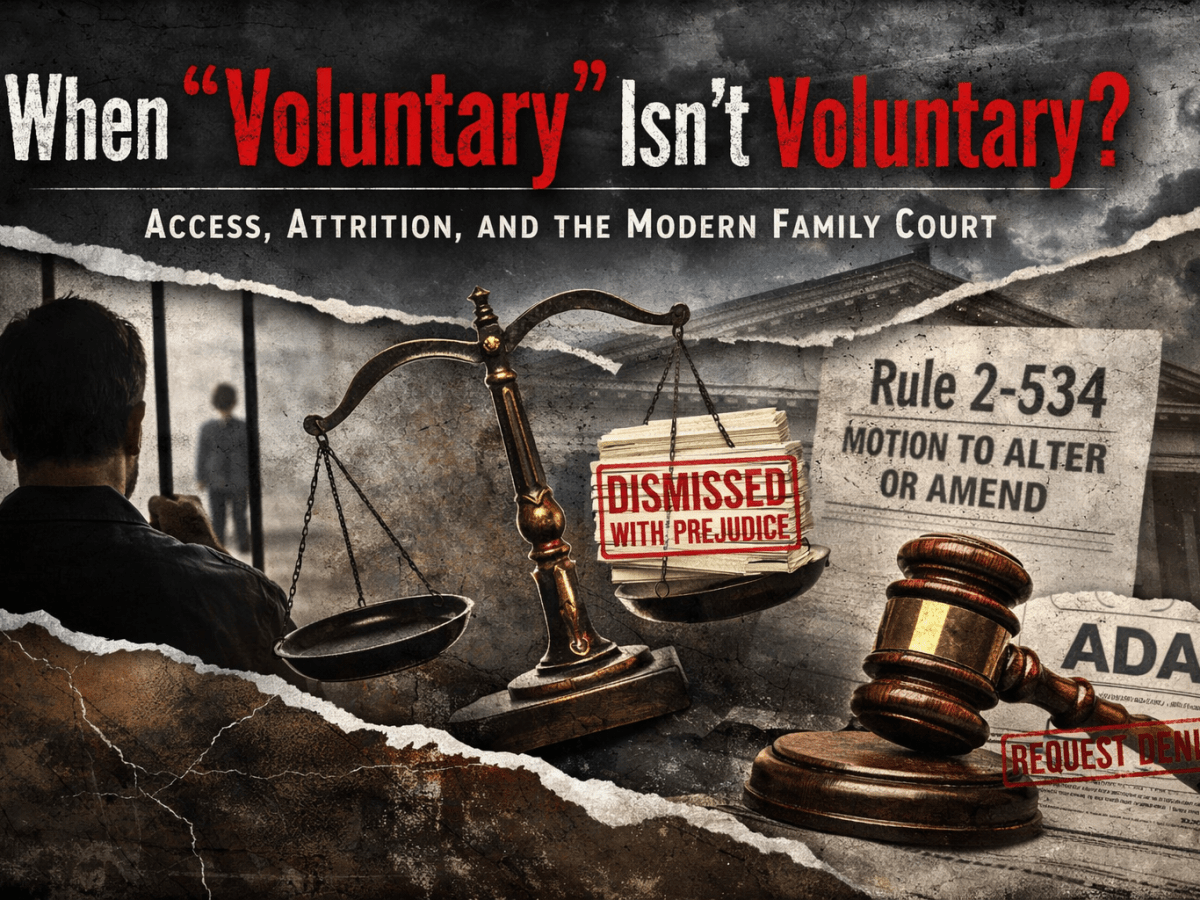
When “Voluntary” Isn’t Voluntary
The case of Reichert v. Hornbeck highlights the complexities of voluntary dismissals within family courts and the impact of access concerns, particularly under the ADA. It questions whether converting a voluntary dismissal to prejudice is warranted without exceptional circumstances. The outcome will influence how Maryland courts address access and procedural safeguards in family litigation.
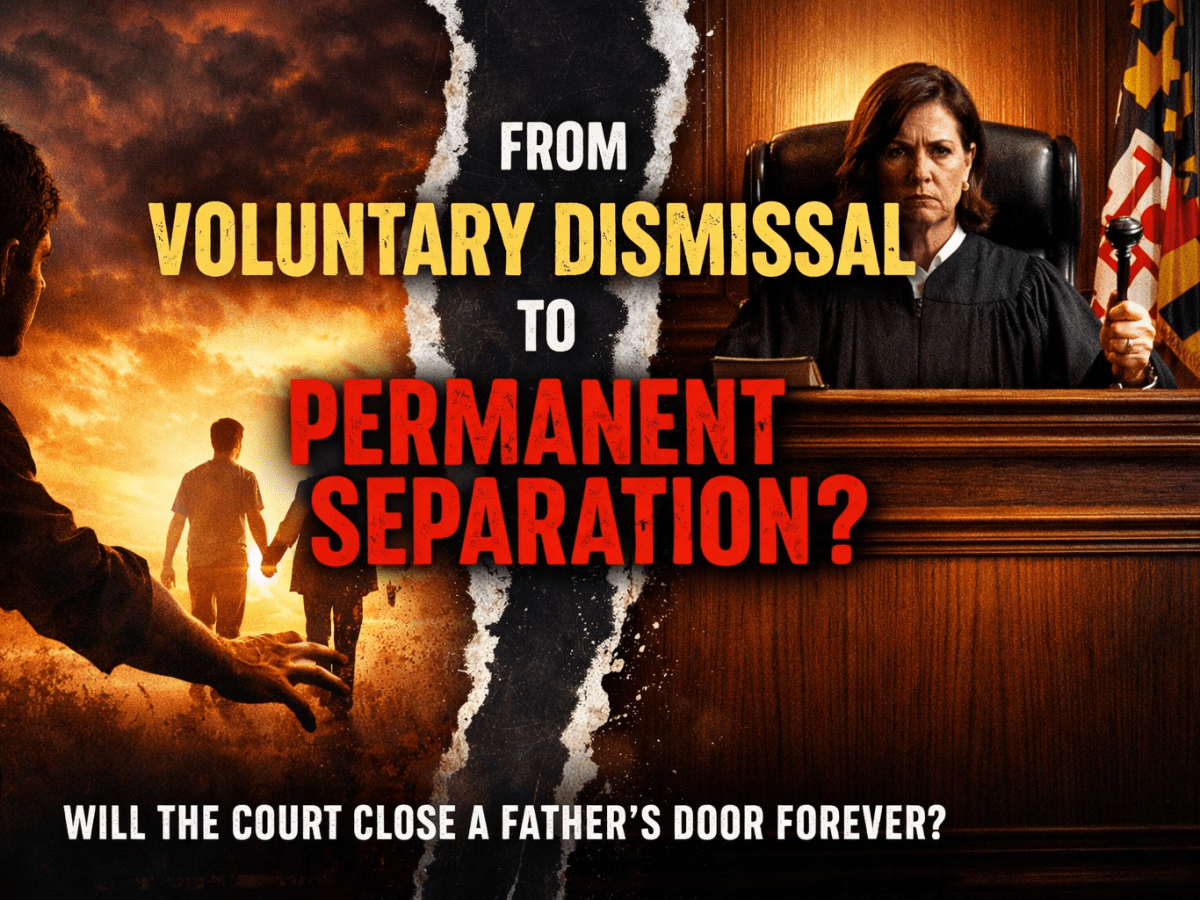
From Voluntary Dismissal to Permanent Erasure?
Judge Morris is tasked with deciding whether to convert Jeff Reichert’s voluntary dismissal of his emancipation petition into a dismissal with prejudice, which would permanently bar him from re-litigating his parental claims. The outcome will affect future adoption proceedings and raise concerns about procedural fairness and disability access rights in family court.

How Temporary Orders Become Permanent Punishment
Temporary orders in family court, intended to be provisional, often become permanent due to their early influence on judicial decisions. The focus on maintaining the status quo can entrench outcomes before full evidence is reviewed, disadvantaging one party and undermining due process, thus risking justice for children involved.

Withdrawn but Not Resolved: Inside a Maryland Case That Wouldn’t End Quietly
A Maryland case involving attorney Jeff Reichert illustrates complexities surrounding voluntary dismissals in family court. After withdrawing his petition without prejudice, further hearings continued despite the case’s closure, raising concerns about judicial pressure on self-represented litigants. The court ultimately opted against punitive measures, highlighting the tension between finality and fairness in family law.
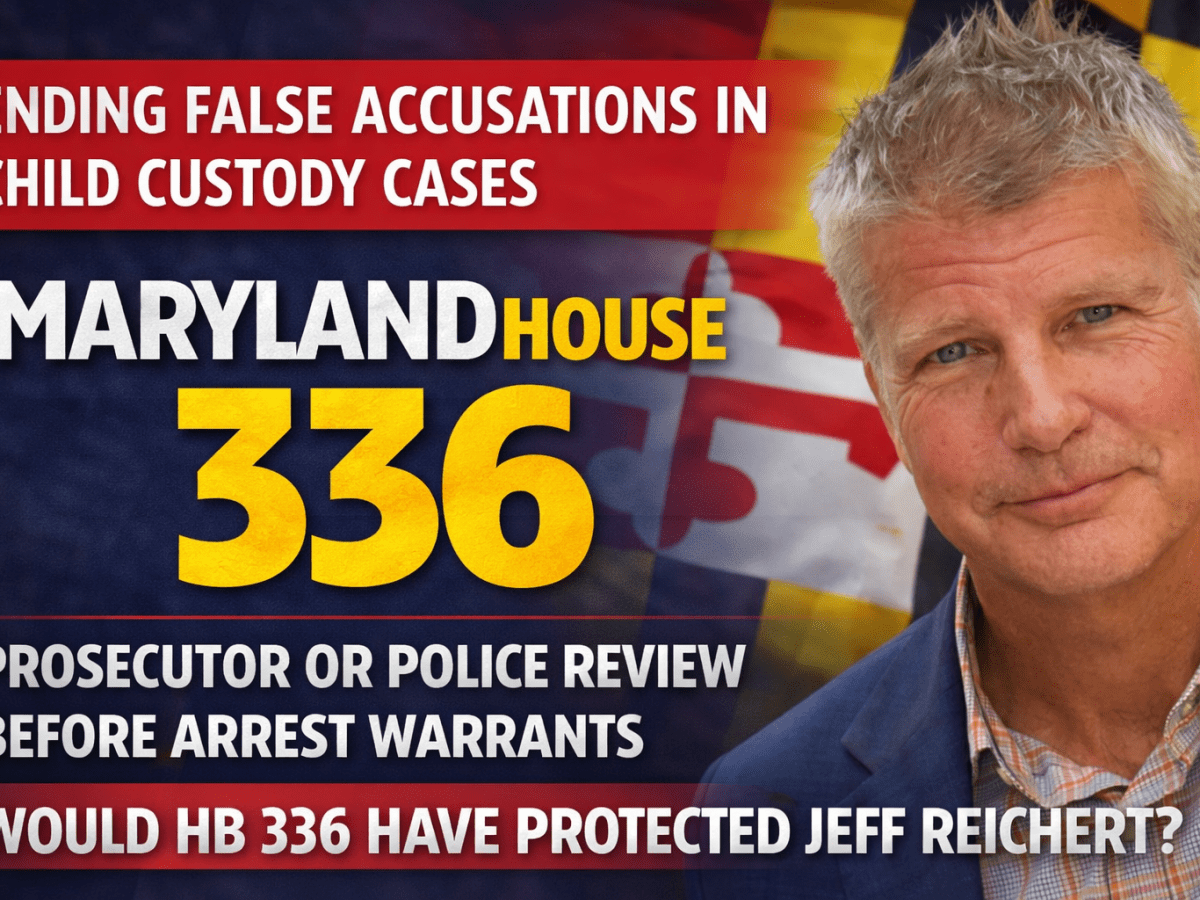
Would HB 336 Have Stopped the Cycle?
The Reichert v. Hornbeck case illustrates the detrimental effects of false accusations in custody disputes. Despite multiple charges against Jeff Reichert being dismissed, the repeated allegations led to arrests and significant disruptions in his life. Proposed House Bill 336 aims to reform the arrest process and increase penalties for false reporting, promoting accountability.
Five Hearings, No Parent: How Maryland Family Courts Build a Record Without Participation
The Maryland family court system inadequately addresses the needs of disabled parents, exemplified in the case of Jeffrey Reichert. Despite his requests for reasonable accommodations, hearings proceeded without his participation, leading to punitive outcomes. The federal court later confirmed his rights under the ADA, highlighting systemic failures in ensuring equitable access to justice.

Why Family Court Has Less Transparency Than Criminal Court
Family courts operate under significantly different rules than criminal courts, leading to decreased transparency. Key issues include sealed records, absence of juries, limited appeals, and broad judicial discretion. These factors create a system where misconduct is hard to detect, judicial errors go unchallenged, and accountability is often absent, undermining public trust.
