
This is not a custody story.
It’s a systems story.
The Explainer Series breaks down the legal procedures, power dynamics, and quiet failures surrounding Jeff Reichert’s case—in plain English, without spin.
Family court operates behind closed doors. Orders are issued quickly. Records are sealed. Appeals are rare. And once a narrative takes hold, it can become almost impossible to unwind—regardless of the facts.
This series exists to explain how that happens.
What This Series Covers
- How protective orders work—and how they can be misused
- What “due process” actually means in family court
- Why temporary orders often become permanent punishment
- How evidence is weighed (and ignored)
- Why defending yourself can be used against you
- Why judges, attorneys, and court actors face little accountability
Each explainer focuses on process, not personalities—using one real case to illuminate a broader system that affects parents nationwide.
Why It Matters
You don’t need to take a side to understand a system.
You just need transparency.
If courts can remove parents, restrict contact, or reshape families without meaningful safeguards, the public deserves to know how—and why.
Start Here
Read the explainers in order, or jump to any topic that matters to you.
Each piece stands alone—but together, they tell a bigger story.
This is the case, explained.

SB481 and the Enforcement Illusion: Why Stronger Language Would Not Have Helped Jeff Reichert
Maryland’s Senate Bill 481 aims to reform court-ordered visitation by mandating make-up time when interference occurs. However, Jeff Reichert’s case highlights a crucial enforcement issue: courts often fail to take action, rendering the bill ineffective. Without stronger accountability measures, statutory changes may not protect parental rights or foster parent-child relationships.

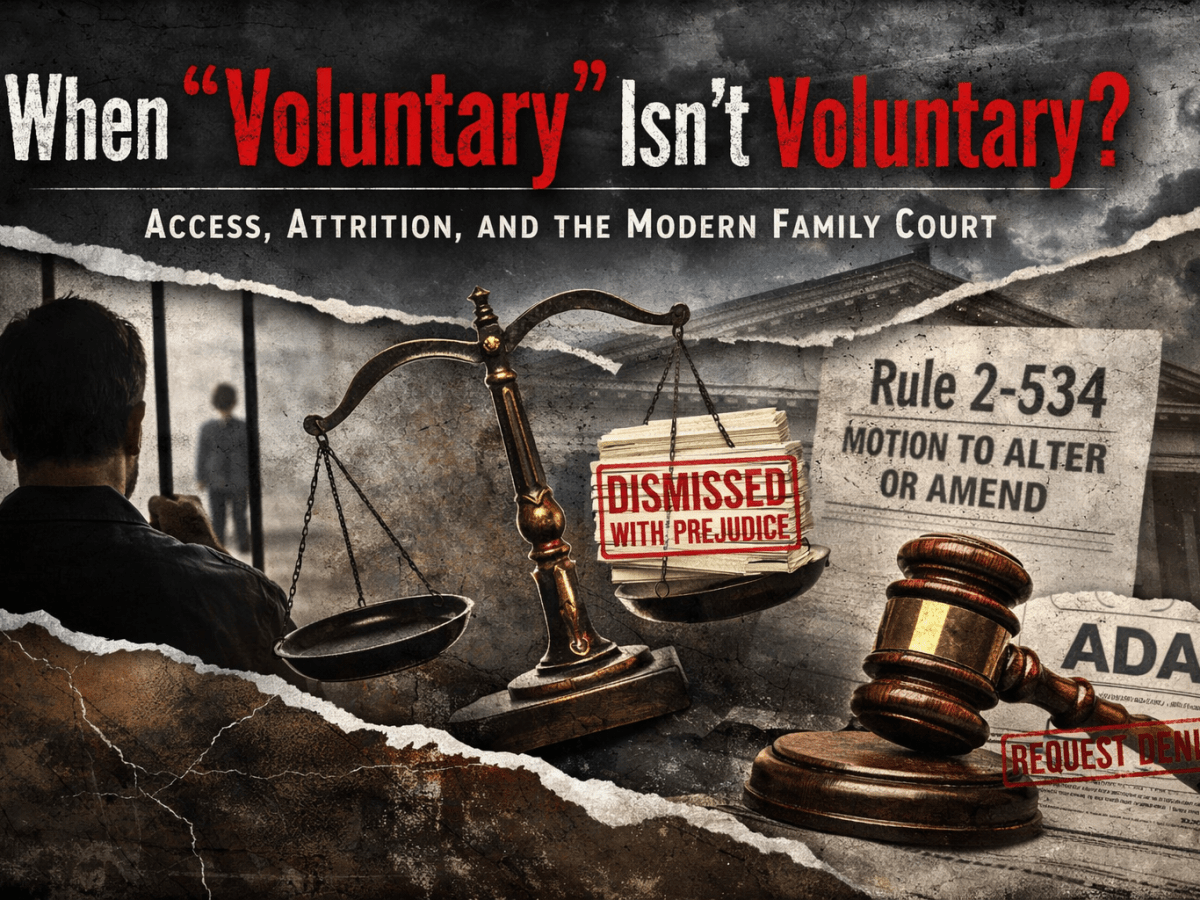
When “Voluntary” Isn’t Voluntary
The case of Reichert v. Hornbeck highlights the complexities of voluntary dismissals within family courts and the impact of access concerns, particularly under the ADA. It questions whether converting a voluntary dismissal to prejudice is warranted without exceptional circumstances. The outcome will influence how Maryland courts address access and procedural safeguards in family litigation.

How Temporary Orders Become Permanent Punishment
Temporary orders in family court, intended to be provisional, often become permanent due to their early influence on judicial decisions. The focus on maintaining the status quo can entrench outcomes before full evidence is reviewed, disadvantaging one party and undermining due process, thus risking justice for children involved.
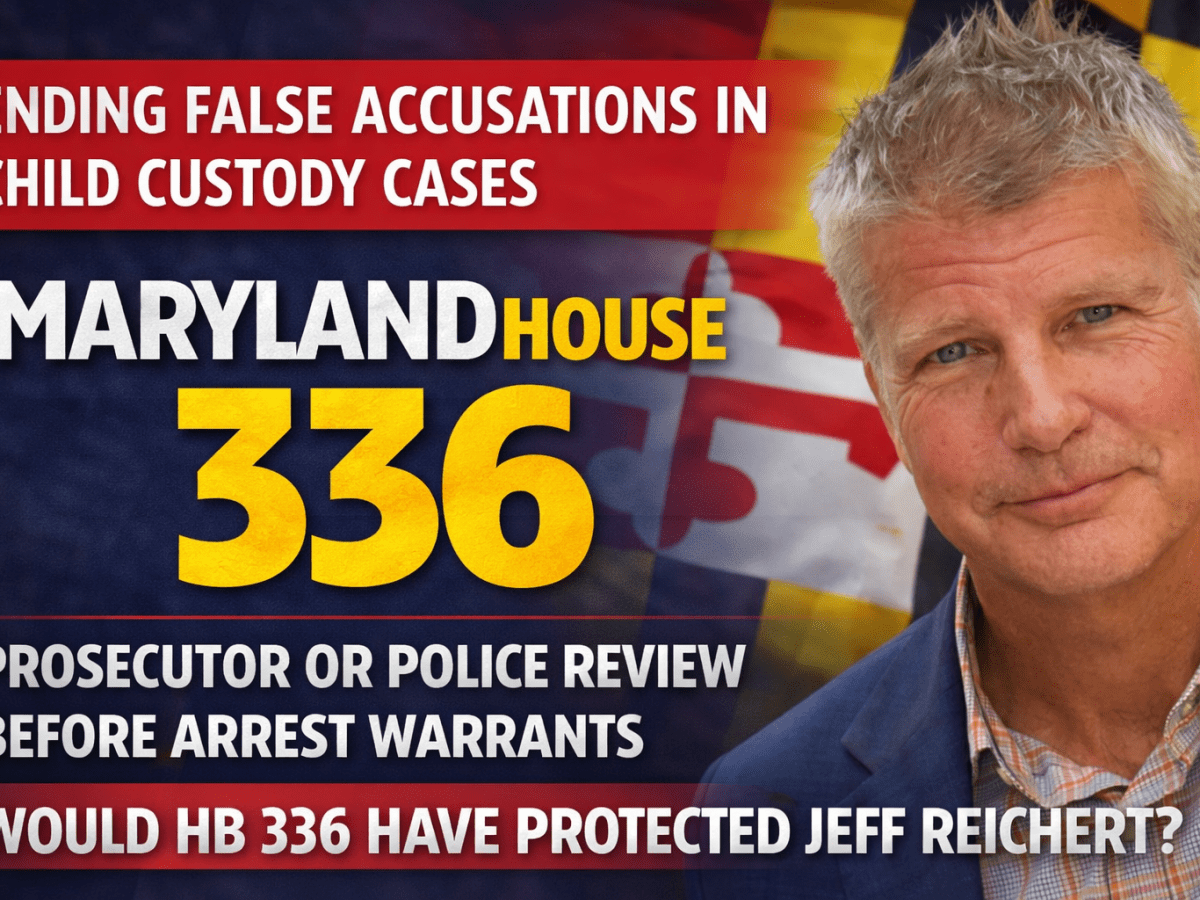
Would HB 336 Have Stopped the Cycle?
The Reichert v. Hornbeck case illustrates the detrimental effects of false accusations in custody disputes. Despite multiple charges against Jeff Reichert being dismissed, the repeated allegations led to arrests and significant disruptions in his life. Proposed House Bill 336 aims to reform the arrest process and increase penalties for false reporting, promoting accountability.

Why Family Court Has Less Transparency Than Criminal Court
Family courts operate under significantly different rules than criminal courts, leading to decreased transparency. Key issues include sealed records, absence of juries, limited appeals, and broad judicial discretion. These factors create a system where misconduct is hard to detect, judicial errors go unchallenged, and accountability is often absent, undermining public trust.

What Does “Due Process” Actually Mean in Family Court?
Due process is crucial in family court, often differing from common expectations. It fundamentally relies on notice, opportunity to be heard, and neutral adjudicators. However, practical implementation often undermines these principles, raising serious concerns about fairness and accountability. Cases like Jeff Reichert’s illustrate risks of prioritizing speed over due process, eroding public confidence.

What Is a Protective Order—and How Can It Be Weaponized?
Protective orders aim to prevent harm but expose vulnerabilities in the family court system, allowing severe restrictions based on unverified claims with minimal due process. Issued swiftly, these orders can profoundly impact individuals, often becoming the foundation for future legal actions. The imbalance between protection and rights can lead to systemic abuse, necessitating greater scrutiny…

Who Is Jeff Reichert—and Why This Case Matters
The article discusses the complexities of family court cases, using Jeff Reichert’s situation as a case study. It highlights how procedural decisions, rather than factual evidence, often determine outcomes, impacting parent-child relationships. The emphasis is on the lack of transparency and accountability within the system, underscoring broader structural issues affecting many litigants.
