
I. The Playground Roots
On cracked asphalt and whispered dreams,
A boy found rhythm in rebound seams.
From beachside courts to hardwood fame,
He played for pride—not just a name.
The boy became a man.
A man became a coach.
Some coach to win.
Some coach to teach.
But Jeff coached because he remembered
the boy he once was.

VIRGINIA BEACH, VA —
On any given summer day in the 1980s, a wiry, competitive kid named Jeff Reichert was chasing dreams across the sun-scorched pavement of Virginia Beach’s playgrounds. Flicking up elbow jumpers, running pickup full court, jawing and juking, bleeding for buckets. He was never the flashiest, but he was relentless. Running with future legends—Allen Iverson, Alonzo Mourning, Mario Mullen, Petey Sessoms, Joe Smith, and Wayne Lynch—Jeff never claimed to be the best, but he soaked up every game.
“They won’t remember me, but I will always remember them. I feel blessed to have had the opportunity to play against the best at a young age. They made me humble… and pushed me to work harder.”
That asphalt was his first classroom. His first sanctuary. Long before he became an attorney. Before the Army. Before the FBI. Before the courts of law replaced the courts of sport. Basketball gave Jeff a code, a compass, and a voice.
“I was usually the only white guy at the courts. Defense calls the fouls. It’s no place for the weak. ‘Street smarts’ have been more valuable to me than ‘book smarts.’ That’s where I got my first degree.”
II. College Glory and Pain
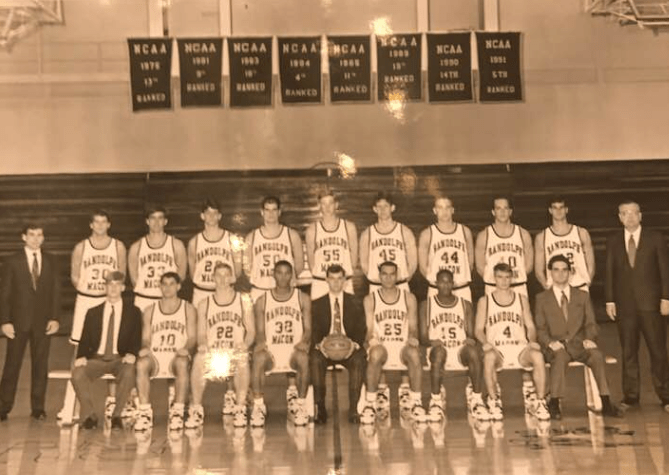
Jeff took those lessons with him to Randolph-Macon College, where he earned both academic and basketball scholarships. He wasn’t the star. He was the heart—named team captain his junior and senior years.
But his career was plagued by injury: four ankle surgeries, a heart condition, and two seasons cut short. He played only seven games as a sophomore, and just five more before blowing out his reconstructed ankle in his junior year.
“Being named captain after that? That’s not about stats. That’s about who I was in that locker room.”
Though he never made first team, Jeff was honored to be mentioned on the all-decade team ballot. Randolph-Macon was and remains a powerhouse in Division III basketball.
“I played for Coach Hal Nunnally—he turned little boys into respectable men. I loved that man-he’s a legend, RIP”.
III. The Fork in the Road
In 2001, a chance emerged. Jay Wright had just taken over at Villanova, and an assistant coaching position opened. Jeff had a mutual connection that put him in the conversation. It could’ve been the start of a long career on the sidelines in Division I.
But life had other plans.
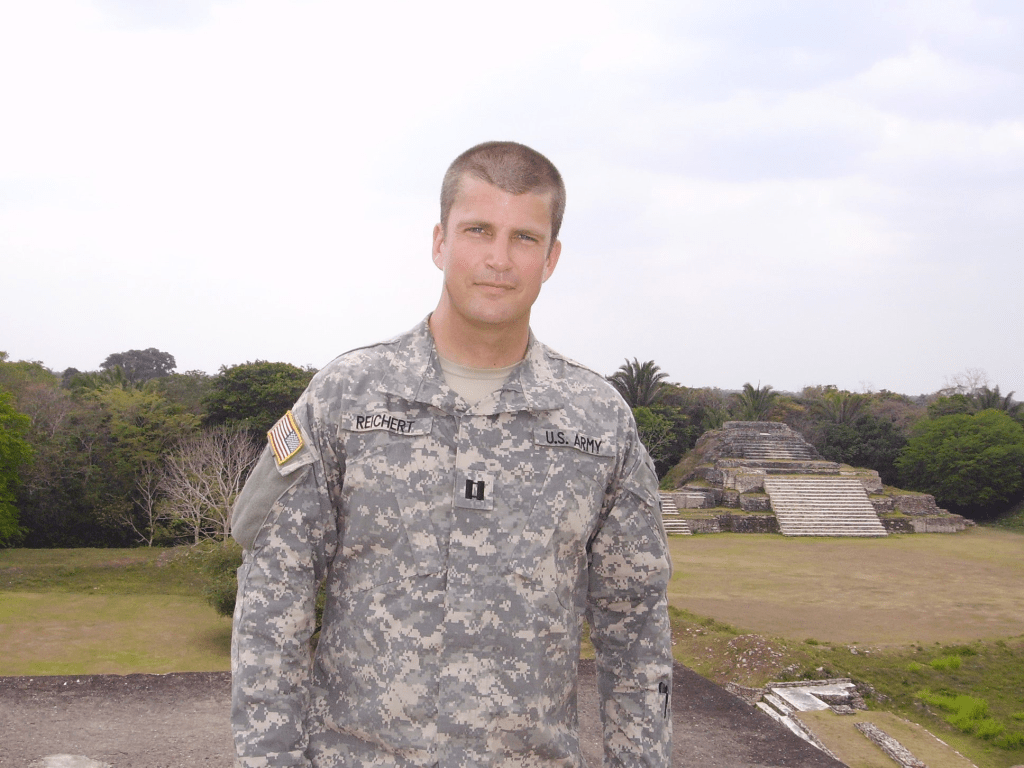
At the same time, Jeff had just graduated law school, taken a job as General Counsel at Allegis, and applied to the FBI. He would later join the Army as a JAG.
Coaching would’ve paid just $15,000—and came with baggage.
“Basketball is my first love. But the business of it? It bothers me. Kissing kids’ and parents’ asses just to survive? NIL. That’s not why I coach. I prefer to run my program like AA—it’s about attraction, not attention.”
He chose the stable path. But he never let go of the game.
IV. Maryland Years: Coach of the County
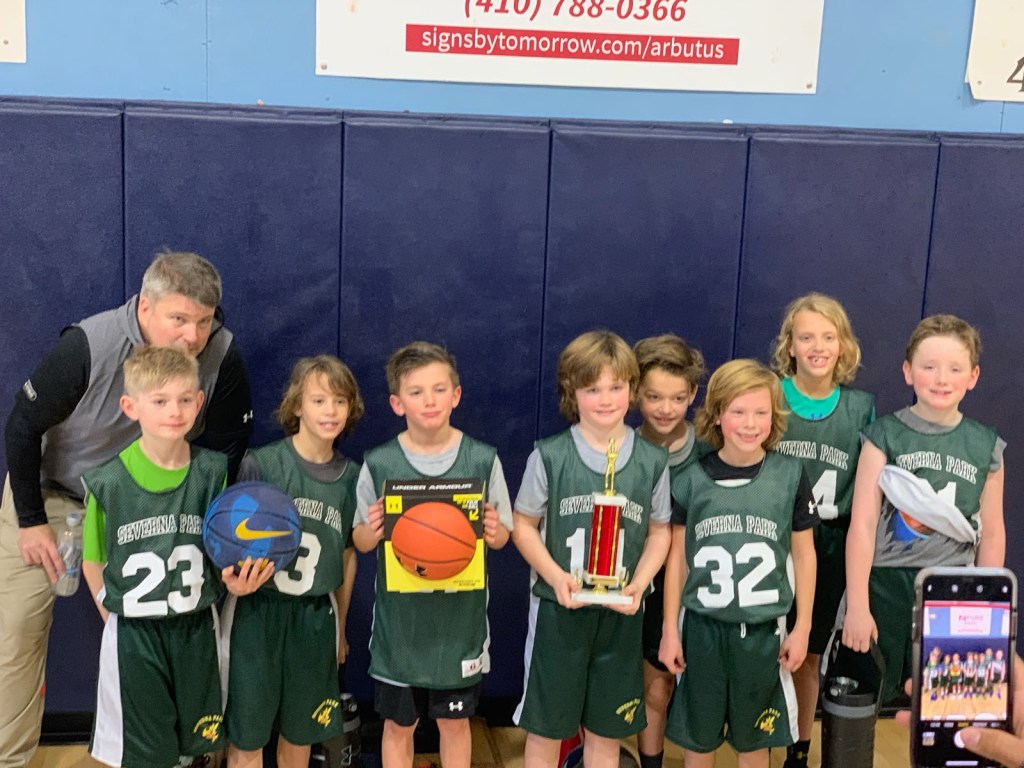
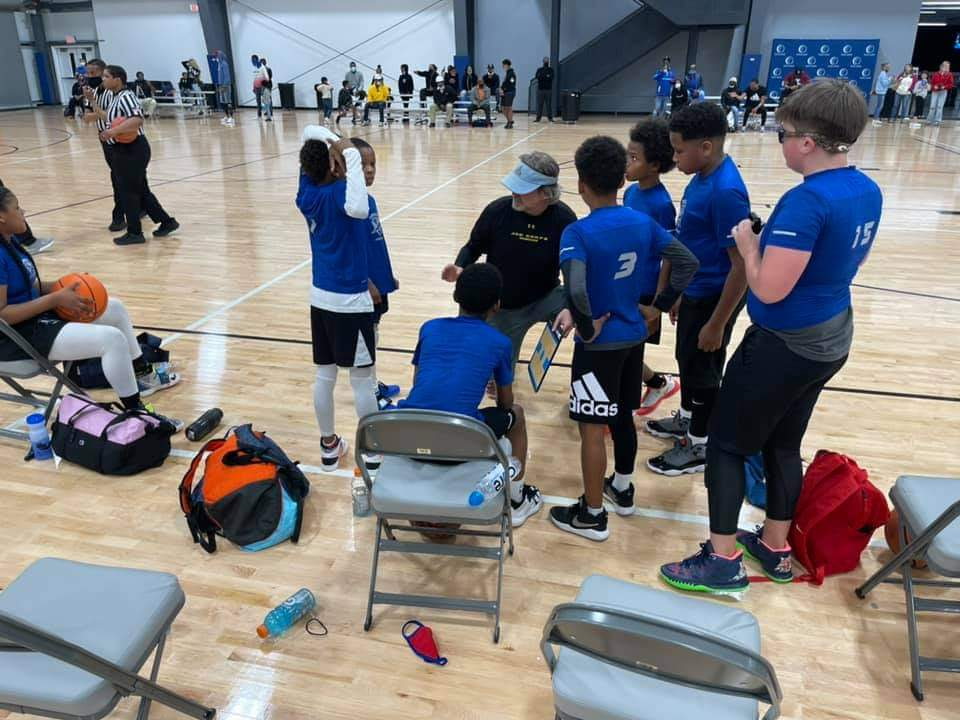
Over the next two decades, Jeff coached hundreds—if not thousands—of kids across Maryland—Anne Arundel County, Baltimore City, Howard County: I-9 leagues, rec basketball, flag football, soccer, baseball, AAU, clinics, and camps.
“I’ve probably coached over 1,000 kids. All ages. From kindergarteners to teens.”
He founded a business club at Phoenix Academy, and led AA meetings at Jennifer Road Detention Center,
“I spent 19 days in that same detention center in 2020–21.”
One of his proudest efforts was creating and funding a basketball clinic in 2011–2012 at The Children’s Home, an orphanage for severely abused youth.
“I wasn’t even allowed on the girls’ side. The first two practices, they just stared at me like ‘Who is this rich honky?’ I showed up after work in July, drenched in sweat. But by the end, a few were on their way to camp at R-MC.”

V. Team Effort: Built from Rejection
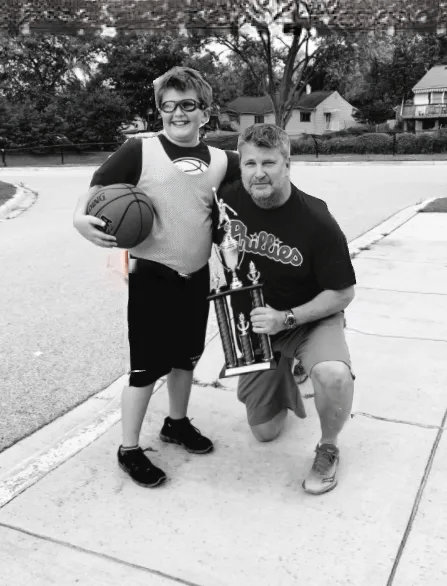
In Anne Arundel County, Jeff formed Team Effort, a youth basketball program born from betrayal. After being smeared by false letters labeling him a “crazy veteran” and “heroin addict,” he left the Green Hornets and started fresh. The local scene thrived on gossip—small-town talk where differences get magnified and rumors spread fast. Jeff’s life, always a little unconventional, became an easy target—especially with Sarah and Dave fanning the flames.
“They didn’t want me around their kids. They wanted to humiliate me. So, I built my own team. And crushed everyone. We beat them by 50.”
He poured in $15,000+ of his own money in two years—uniforms, gym rentals, travel. During COVID, he kept practices alive on playgrounds and at Severn School (rented pre-lockdown).
“Parents dropped their kids off for hours. I coached them. Mentored them. Sometimes, I even babysat them. I gave them time, focus, and dignity. And in return—this county stole my dignity. After everything I gave, they handed my son over to someone who barely showed up. Sarah didn’t come to his games—not once during the regular season. And the one time she did, she arrived intoxicated, tried to pull him out mid-game, and caused a scene. That’s not support. That’s not parenting. I gave to this community for years. She never gave back—not once.”
But then it all ended. Jeff was violently arrested four times in one month in front of his son, in the same county he had given so much to.
“What were they trying to do? Steal my championship trophy back?”
NBA legend Allen Iverson once said that watching his father get arrested when he was just nine years old was the most violent and traumatic experience of his life. And Iverson grew up hard. His father was arrested for a felony while on probation—there was a cause, even if the pain still haunts Iverson to this day. Just watch his documentary.
Now imagine what Jeff’s son, Grant, went through. He watched his dad get arrested four times in one month. Not for a crime. Not because he was a threat. But because of a bitter campaign of false accusations. And he knew it. He knew Jeff was innocent. He knew who was behind it. And then—they took him.
“That trauma doesn’t go away. And unlike Iverson’s dad, I hadn’t done anything wrong. This didn’t happen in the streets. It happened in my home, in front of my son, by the very people entrusted to protect children.”
“The irony? Allen Iverson’s name is in this story’s atmosphere. His inner circle overlaps with mine. Wayne Lynch knows them well.”

VI. Return to the Beach, and One More Run
In late 2020, Jeff returned to Virginia Beach, hoping for a fresh start from the hell he was facing in Maryland, including the four arrests and 26 false criminal charges.
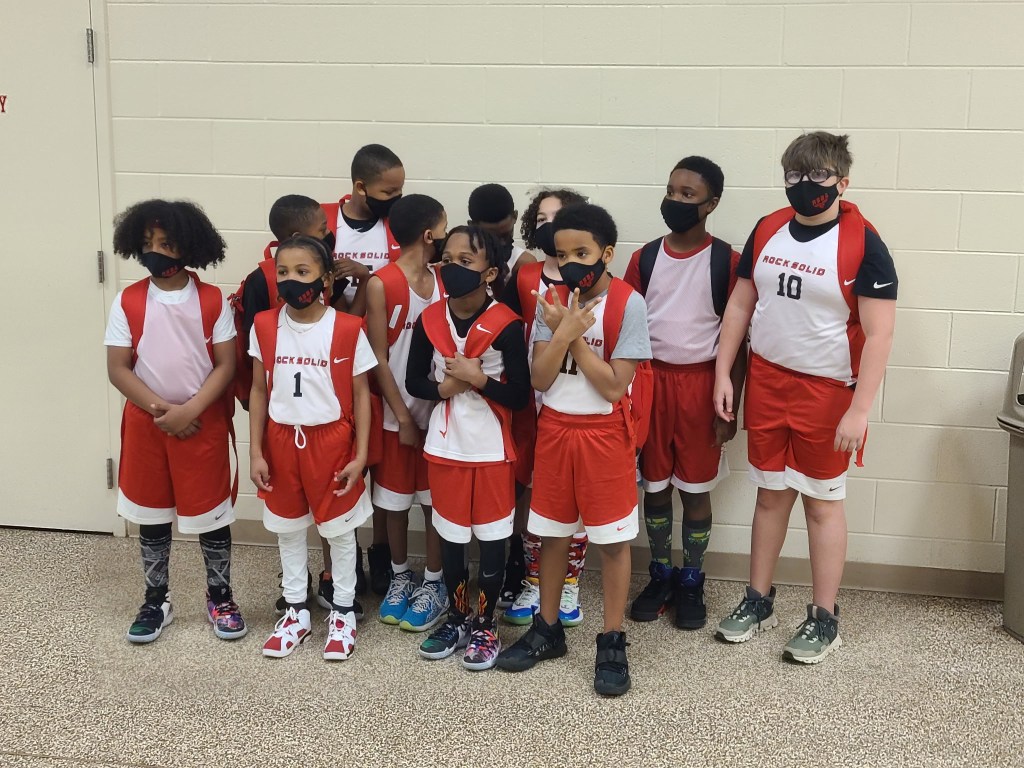
He quickly reconnected with old friend Wayne Lynch. Together, they coached teams across the 757—the same courts they once sweated through as kids.
Grant, Jeff’s son, played on their teams.
“Father and son. Coach and player. At least for a while.”
Then in 2022, Grant was taken from him—again.
VII. Taken Off the Sideline
False accusations mounted. The Family Courts turned blind eyes. And the worst blow of all: being taken away from the one player he loved coaching most—his son, Grant.
His coaching was suspended. But his spirit wasn’t.
“I may be an attorney, but I’ve always been a coach first. Coaching’s not a title. It’s a relationship. And they took that from me.
“They have robbed hundreds of underprivileged kids in my hometown- I haven’t been able to coach since I finished that last season with a short bench (playing with 4 players at times) because my son was abducted from me mid-season.
“They tried to paint me as some closet child abuser. If that were true, why would former players and parents still support me so fiercely?”
VIII. Still Waiting, Still Believing
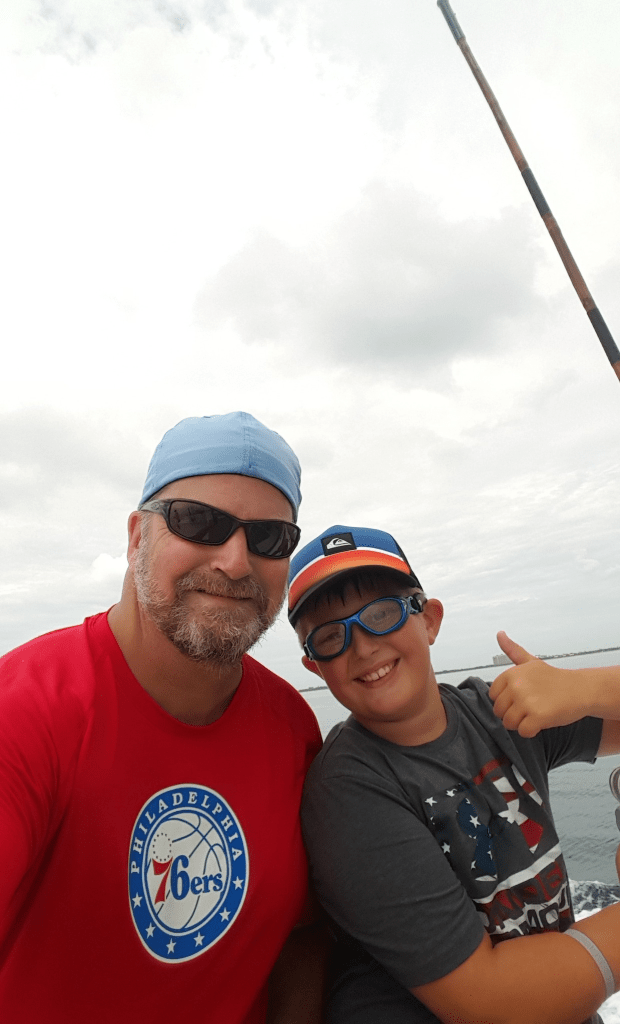
Today, the courts remain. The game remains. But Jeff Reichert watches more than he coaches now. Injustice has robbed him of what he built—but not what he believes.
“You can take me off the sideline. You can lie about who I am. But you can’t take away what this game gave me. And you can’t take away what I gave to these kids.”
The jersey may hang, but the legacy runs the full court.
And still, Jeff hopes and prays.
He hopes and prays incessantly that one day Grant will be returned—not just to his life, but to the game they loved together. That the damage done by false accusations will be undone. That father and son will stand on the same sideline again, clipboard in hand, coaching the next generation.
“I don’t know when. But I believe we’ll run it back. Team Effort—one more time. God has a plan. He’s the HEAD coach and has always been driving the team bus.”
Because some coaches never stop coaching.
They just wait for their player to come home.
Discover more from Reform Maryland Courts
Subscribe to get the latest posts sent to your email.
