

Grant Reichert is not just the son at the center of a high-conflict custody case. He is a young man on the edge of adulthood, a teenager who has endured the worst that the family court system can inflict—and is still standing. His story, told through the eyes of his father Jeff Reichert, is more than a footnote in a legal battle. It is the story.
Grant is 15 and a half years old, turning 16 soon. That birthday marks a moment he’s been waiting for—because at 16, he believes he can finally speak with his feet and walk away from the system that has kept him from the one person he’s been trying to get back to: his dad.

A Life Shaped by Conflict, Not of His Own Making
Grant’s life has been shaped—if not controlled—by a custody battle that began before he could speak and has never ended. Nearly every stage of his development has been marked by conflict, legal filings, and decisions made by judges who, according to his father, never truly listened to what Grant wanted.
From the NICU, where he was born with a collapsed lung, to the courtrooms that now dictate who he can and cannot live with, Grant has been a child raised in crisis. Jeff was the only parent present in the NICU. He bathed and fed Grant every night. He made a promise to protect him. It’s a promise Jeff says he’s kept—even if the courts have tried to stop him.

A Teen Who Knows the Truth
Despite the chaos around him, Grant is not confused. According to Jeff, Grant has seen everything:
- The arrests, the police involvement, the alleged attacks from Sarah.
- The attempts to cover up abuse.
- The nights he ran away.
- The days he made threats.
Jeff never lied to him. He told him the truth about the medical trauma he suffered at birth. He told him the truth about the court system. And he told him the truth about what it means to love someone and fight for them.
“He knows. He’s always known. That’s why he still wants to come home.”

A Voice Ignored by the System
Since he was 12 years old, Grant has been telling the court he wants to be with his dad. Not in whispers—in legal filings, interviews, and statements that, according to Jeff, the court either dismissed, buried, or refused to hear.
Now, at nearly 16, Grant is actively pursuing emancipation. He wants legal autonomy not to run away from rules or responsibilities—but to finally have a say in his own life. He wants to live with his father. He has said so repeatedly.
But the court has, according to Jeff, denied him that chance. Judges have refused to hold hearings, have denied Jeff the ability to testify, and even labeled Jeff “not credible,” leaving Grant’s voice effectively silenced.
“How does a kid this smart, this clear, not get heard?”
A Gentle Giant with a Fighter’s Heart
Grant isn’t just smart—he’s described as off-the-charts intelligent, articulate, and emotionally aware beyond his years. In a video interview, he spoke with such poise and clarity that viewers described him as sounding more like an adult than a 15-year-old.
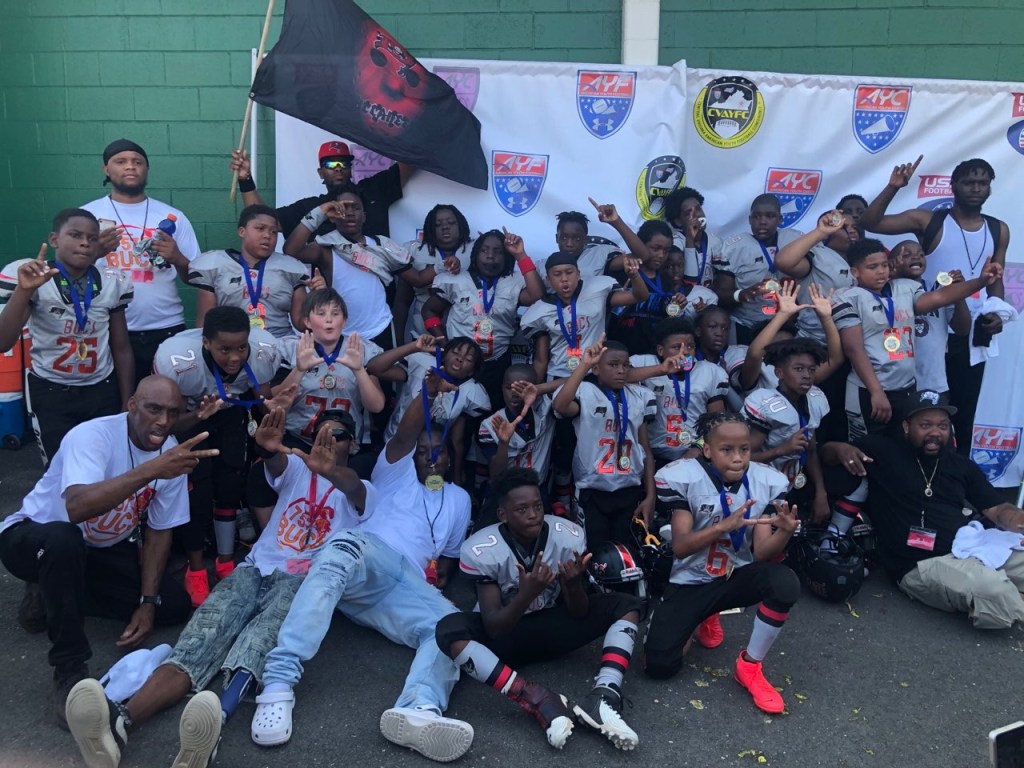
But he’s still a kid. A gentle giant, as Jeff calls him. A basketball player. A guitar player. A quiet warrior who has excelled in sports like football, lacrosse, and of course, basketball, where he once served as the starting point guard on Jeff’s team—before he was taken away mid-season by Sarah.
That season, Jeff finished the games with only four players on the floor. But the emotional void left by Grant’s removal from his life was greater than any scoreboard loss.

A Bond That Can’t Be Broken
Despite being alienated for over a third of his life, despite being blocked, watched, and relocated, Grant has never turned his back on Jeff. Their bond is described as “unconventional but unbreakable.”
They share more than just DNA—they share interests, mannerisms, values. They are, in Jeff’s words, “mirror images”. Grant is his “little mini-me.” And that bond has survived everything thrown at it.
Coaching was their language. Guitar was their connection. Truth was their foundation. That bond has endured separation, court orders, and silence. And Jeff believes nothing will sever it.

A Symbol of Something Bigger
Grant Reichert’s story isn’t just personal—it’s political. It’s legal. It’s universal. Because for every Grant, there are thousands of children caught in family courts that don’t listen, don’t act, and don’t care.
He represents the ignored wishes of children, the voices lost in paperwork, and the lives altered by decisions made without them.
And he represents something even more powerful: hope. Hope that one child’s truth might finally pierce the silence. That one bond might survive long enough to be reunited. That one case might light a fire under a broken system and burn it into something better.
Discover more from Reform Maryland Courts
Subscribe to get the latest posts sent to your email.
