
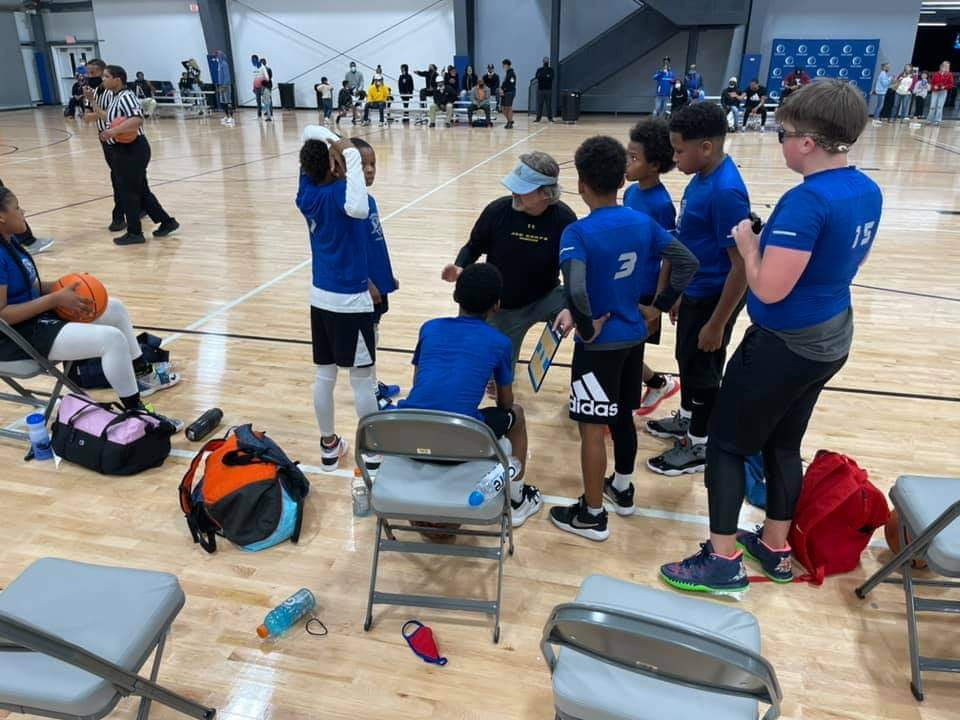
For Jeff Reichert, coaching wasn’t a side hobby—it was his calling. Long before legal battles consumed his life, and long after he left a high-powered legal career, Jeff saw himself as a coach first, and a lawyer only by necessity. If you ask him today, he’ll still say: “I’m just a dad. I’ve always been about the kids.”
His journey as a coach spans decades, communities, and countless lives—but it was ripped away from him in the wake of the custody case that has come to define the past several years of his life.
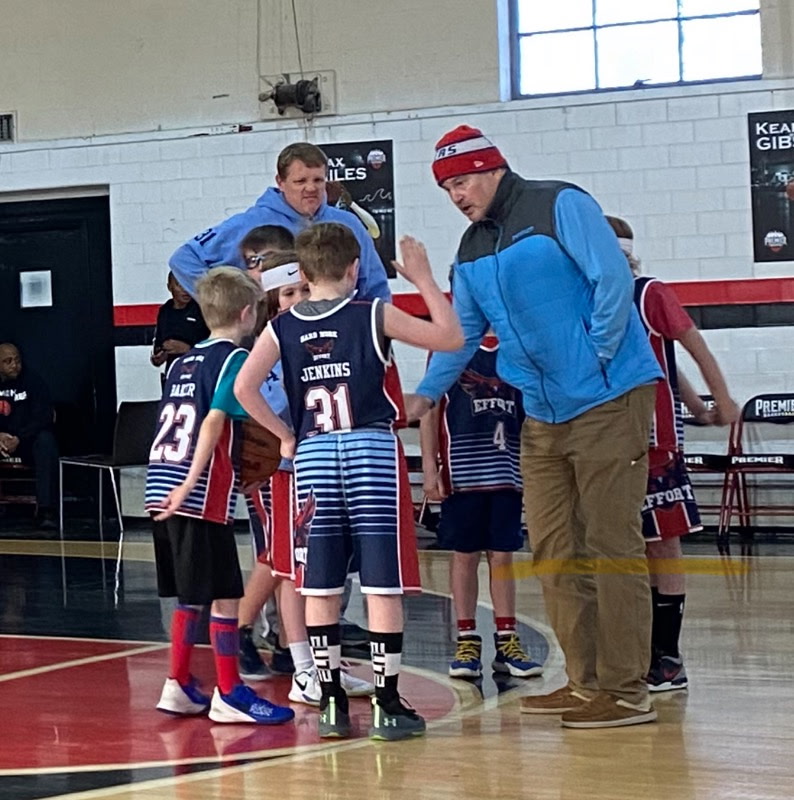
A Core Identity and Lifelong Dream
After retiring from corporate law—where he spent over two decades as General Counsel for billion-dollar companies—Jeff walked away from prestige and wealth because, as he puts it, “I didn’t like what I was doing.” What he did love was working with kids. His dream was simple: “I just wanted to retire with enough money to coach and teach.”
Coaching was not just a hobby or an afterthought—it was a core identity, a life purpose, and a way to give back. Jeff saw the basketball court as a classroom, a sanctuary, and a platform to change lives.
When the family court system labeled him a child abuser and severed his relationship with his son Grant, Jeff says he didn’t just lose custody—he lost his dignity and his dream.
A Legacy of Coaching and Mentorship
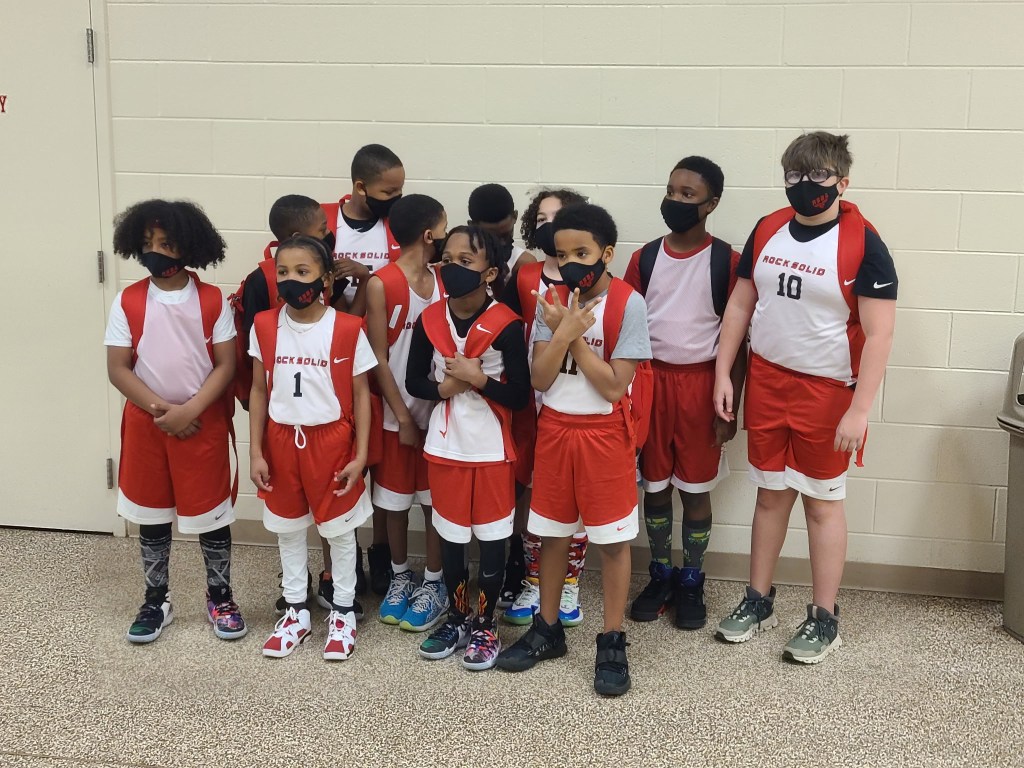
Jeff’s coaching career is both broad in scope and deep in impact:
- Founded his own AAU basketball program, coaching hundreds of youth in Maryland and Virginia.
- At the height of his work, he was coaching over 200 kids across multiple teams and levels.
- He estimates he’s coached over 1,000 kids total—many of them not connected to his son, just kids in need of structure, mentorship, and guidance.
- He started a basketball program at a children’s home in Catonsville, MD, helping some of the most vulnerable youth find direction.
- He created a business skills program at the Phoenix Academy in Annapolis to give young athletes a path beyond the court.
- During COVID, Jeff launched an AAU program in Virginia Beach, paying all the entrance fees out of pocket—especially for four Black athletes on the team who couldn’t afford it. Grant was on that team.
- He started a podcast for the kids during the pandemic to give them a voice and sense of community while everything was shut down.
- He coached Grant’s Green Hornets team in Severna Park in third grade—one of many cherished seasons they shared together.
Jeff’s work has never been about wins or trophies. It’s been about character, resilience, and relationships—the kind of relationships that last long after the final buzzer.

Basketball Saved His Life
Jeff doesn’t just coach the game. He lived it.
As a highly recruited guard in high school, he played at Randolph-Macon College on a full scholarship, treated like a Division I athlete. Though injuries capped his career, he still made the all-decade team, a testament to his impact on and off the court.
He even had a brush with the professional coaching world—he says he was nearly Jay Wright’s first assistant coach. That path didn’t happen, but the passion never left. Instead, Jeff poured that energy into coaching kids who needed guidance the most.
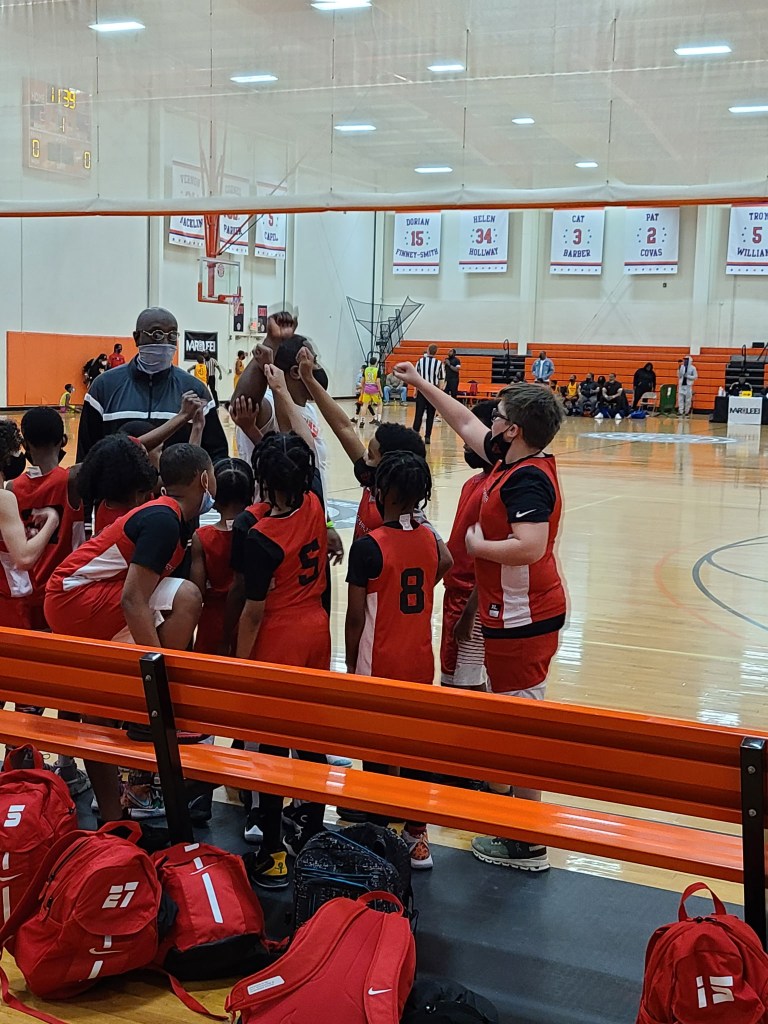
When the Court Took His Son, It Took His Purpose
The effects of the custody case on Jeff’s coaching life have been devastating.
- When Sarah Hornbeck pulled Grant mid-season from Jeff’s team—where he was the starting point guard—it wasn’t just a disruption. It was an act of erasure. Jeff still finished the season with a depleted roster, even once coaching a game with only four players.
- The court’s labeling of Jeff as an “abuser”—despite no criminal record and a lifetime of public service and mentorship—stripped him of opportunities to coach further. His credibility was attacked. His access to kids—his life’s work—was choked off.
- For Jeff, losing the ability to coach meant losing a part of his soul: “That’s what I wanted to do. Coach high school ball. Be with kids. That was the dream.”
What the World Needs to Know
When Jeff talks about his case, he always returns to a central message: “This is what happens when you try to tell the truth. Look what happened to me. Look what happened to my son.”
But to understand the injustice, the world has to understand who Jeff really is:
- A disabled veteran.
- A sober sponsor.
- A basketball coach who’s mentored a thousand kids.
- A father who just wants his son back.
He is not the monster the system painted him to be. He’s a man who’s spent a lifetime helping others, now fighting for justice not just for himself and his son, but for every erased parent and every kid lost in the family court maze.
Jeff hopes that the media attention, the book, and the upcoming federal lawsuit will finally show the world who he is—a coach, a dad, a builder of young men.
And maybe, just maybe, one day he’ll be able to coach again—with Grant by his side.
Discover more from Reform Maryland Courts
Subscribe to get the latest posts sent to your email.
